VISIT THE CAF WEBSITE
The expanded World Giving Report in 2025 gives us a wealth of data from which to draw vital insights. What are the implications for charities, funders and policymakers?
The expanded World Giving Report in 2026 gives us a wealth of data from which to draw vital insights. What are the implications for charities, funders and policymakers?
.svg)

Those of us in the sector know that giving is deeply personal based on a multitude of factors including values, circumstances and experiences. By understanding these influences and how they differ around the world, we can learn what drives cultures of giving and how to best nurture them, which is a key part of building the resilience of civil society.
For charities, understanding what motivates their donors and any barriers that they might need to overcome is essential to generate support for their cause.
Those who feel a sense of belonging to a community are far more likely to donate. Charities can help to foster this sense of belonging and communicate their relevance at a local level. Many charities are already embedded in communities, but there are lessons for larger organisations here. Providing real examples of change that people can relate to and participate in, could mean people are more likely to engage, either through donating, volunteering or wider social action.
This research also highlights the significant role that trust plays in charitable giving. Although numerous factors shape the
public’s perceptions of charities — many beyond their direct influence — the findings show that increased clarity and transparency could help to build the trust of donors and potential donors. People consistently say they are more likely to support charities when they understand how they operate and what difference their contribution makes. For charities, this underscores the importance of clearly telling your story of impact and demonstrating how funding core costs can be central to delivering this.
There are also opportunities for charities from the findings about why people did not donate. While most people cite affordability, around one in ten who do not donate say they haven’t been asked or are not aware of charities and how to donate. There is the potential for fundraising strategies to reach new donors by building awareness and helping to make it simple for people to support their cause.
These are valuable insights for charities on how to better connect with donors, confidently pursue their purpose and work with partners and governments to build greater levels of giving and engagement.
.avif)
Our World Giving Report explores the state of generosity at a moment when global giving is being shaped by profound shifts in policy, public trust, geopolitics, and greater need.
Philanthropy is well positioned to respond to these shifts and consider how we harness our collective experience to connect social purpose organizations and leaders with opportunities for substantive, sustained, and flexible funding for impact.
In a complex, interconnected world, we believe in the power of collaboration — locally and globally — and this project is a key example of this.
We are grateful to our partners and the insights they provide through their networks, so that along with local and global evidence, we can together build a richer, more actionable picture of generosity.
The positive news is that giving is universal. While the scale and routes may differ, most people — on every continent — give. In many places, giving is deeply tied to communal values; where social structures emphasize responsibility to one another, generosity remains strong. This report elevates the collective importance of small acts of generosity around the world, and in doing so, highlights how all types of giving contribute to the global landscape of philanthropy today.
To enable greater generosity, we all need to consider how to grow social norms around giving. Effective philanthropy should strengthen the infrastructure of generosity itself so that it becomes more widespread and sustainable. We can encourage those who can afford to give to give more, and inspire others to join them, by actively participating in and promoting conversations about donors, what their giving enables, and their motivations.
This report is one tool in those conversations.
If we want generosity to thrive in the long run, there are many lessons we can glean from these findings. By understanding what motivates generosity, the sector can work to improve the environment for charities to match expressed interest and expressed need. One illuminating example jumps out from the report: people who have a strong sense of belonging are three times more generous — this tells us that building community locally, nationally, and globally is an important path to increasing support.
We all have a role to play in growing giving. Encouraging conversations, and more importantly, action by individuals and institutions alike, can help build stronger, thriving civil societies.
A key insight that stood out is how strongly generosity is linked to trust, a sense of belonging, and tangible impact. This means charities need to be transparent about how they operate, accountable in how funds are used, and intentional in communicating impact. It's about engaging donors with more compelling storytelling and reporting that works on a deeper level and resonates with people’s everyday realities and motivations for giving. This will help build stronger bonds and encourage repeat donations in a diverse landscape of many causes and organisations.
At the same time, the sector must continue building reliable systems that make giving easier and more accessible, particularly, through digital platforms.
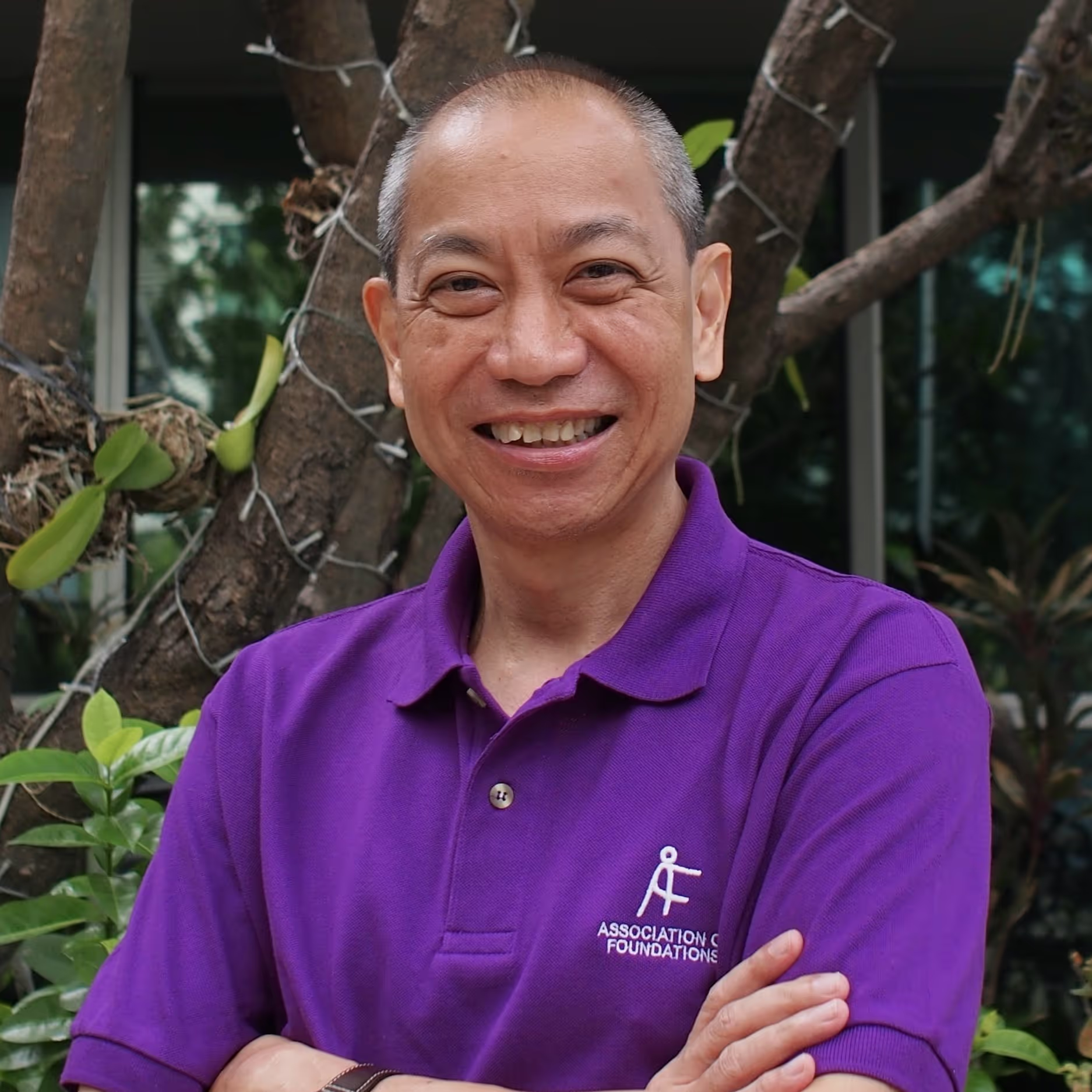
This report highlights a powerful opportunity. Individuals are motivated not only by the desire to contribute to societal change but also by the drive to strengthen their sense of community, even in a complex world. A key insight is the profound impact of belonging. People are inspired to give more when they feel truly connected to a community.
Organisations like Cemefi, and all of our WGR partners, play a vital role in fostering and supporting environments where giving can thrive.
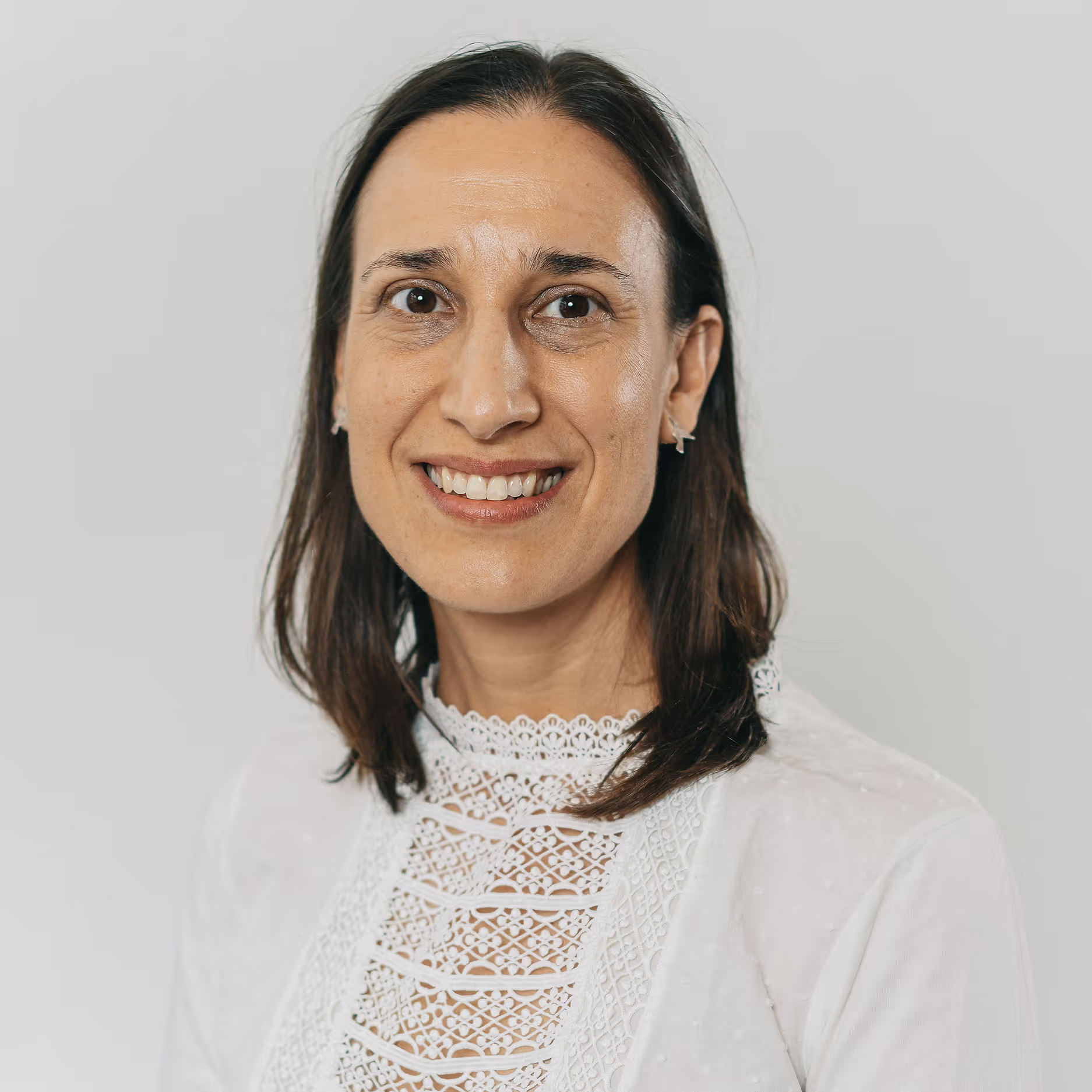
At a time when Bulgaria and the entire world face polarised public debate across every field, alongside attitudes that threaten the foundations of civil society, the World Giving Report delivers a clear message to organisations, "Build communities!".
As the report shows, the organisations that stay close to people and their everyday issues, and that successfully demonstrate the impact of their work will be more likely to have generous and loyal supporters. Donors need facts, but even more they need to be moved, to be inspired, and to be able to see the image of change their contribution will bring. Positive communication truly pays off, and I would encourage all charities to consciously develop this aspect of their activities far more.

In contexts like Chile, where trust in institutions has been deeply challenged in recent years, organisations must be especially mindful of rebuilding people’s faith in charity. The findings show that giving is not driven only by income or economic conditions, but by trust, visibility, social connection, and shared purpose.
For civil society organisations, this means investing not only in fundraising capacity, but also in collaboration, accountability, and community engagement as essential infrastructure for social cohesion and long-term generosity.
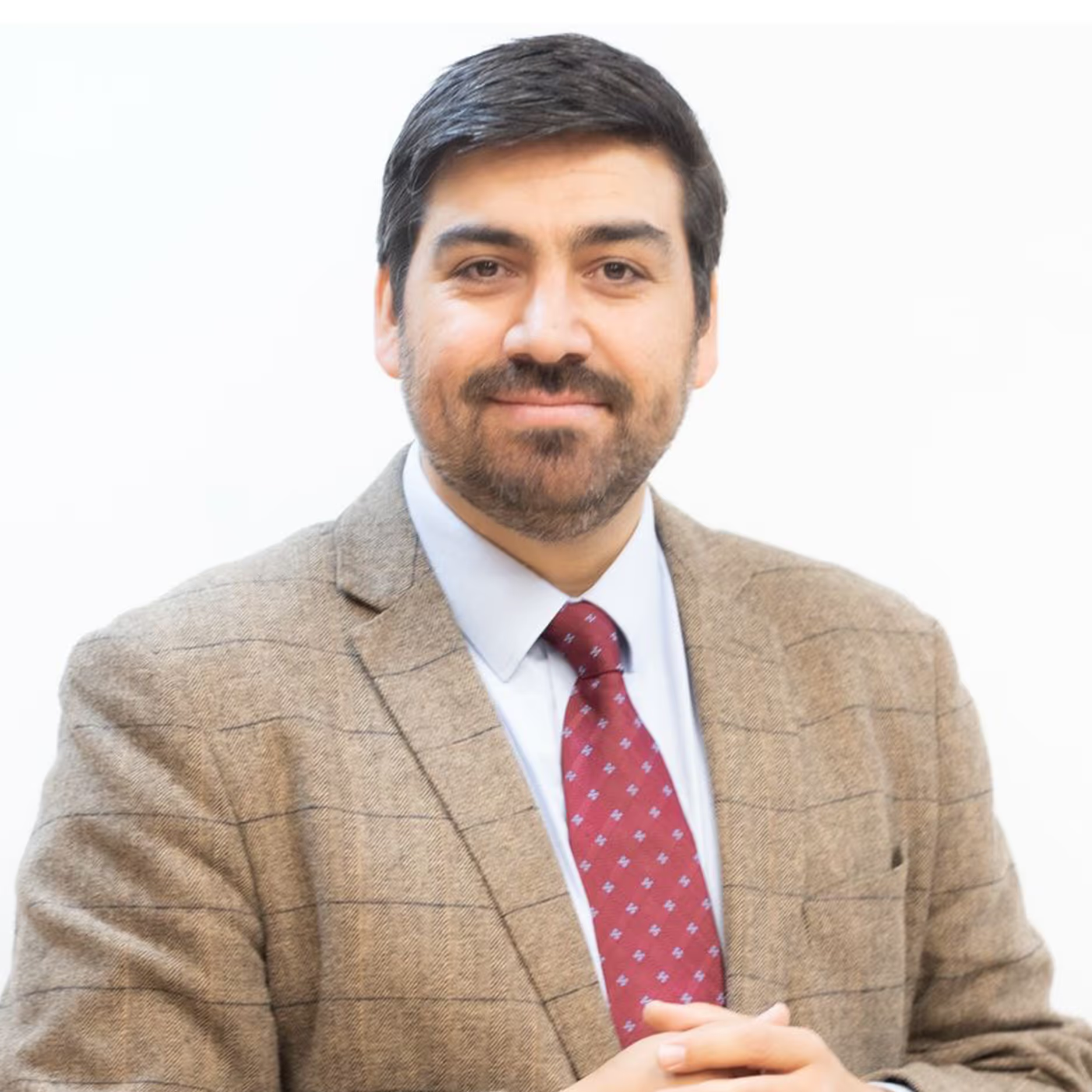
In an African context where giving is often spontaneous, religious, and directed toward people in immediate need, the strongest predictors of generosity are whether communities feel connected to organisations, whether they trust them, and whether they can clearly see the difference their work makes.
The findings make it clear that local presence and strong relationships with community are more influential than traditional fundraising approaches alone. What I take to heart in my work is that increasing generosity is not necessarily about persuading people to give more, but much more about strengthening the conditions that make giving meaningful. This involves building trust over time, and demonstrating visible impact using clear, relatable storytelling.

The findings highlight that giving cultures are not built by individual organisations alone — they are shaped collectively, through shared expectations and values across society. It's clear that charities should invest both in reaching donors, and in building a broader culture where giving is not behind the scenes and feels natural and expected.
In order to strengthen these social norms around giving further, sector-wide collaboration and a shared narrative around generosity become more important than ever.